
Breath is an integral part of yoga, but pranayama goes beyond coordinating the breath with movement. It encompasses a range of breathing practices, each with its own technique, rhythm, and purpose.
Some practices emphasize awareness of the natural breath, while others introduce deliberate patterns, alternate nostril breathing, or more structured techniques. Understanding these differences gives yoga teachers more ways to incorporate breathwork into their classes and help students develop a deeper relationship with their breathing.
Here are four pranayama practices to become familiar with.
1. Dirga Pranayama (Three-Part Breath)
Dirga Pranayama, often called three-part breath, introduces students to breathing into different areas of the torso: the abdomen, rib cage, and upper chest.
Students gradually explore how the breath moves through these areas, developing awareness of the relationship between the diaphragm, rib cage, and breathing pattern.
How to introduce it: Invite students to sit or lie comfortably. Begin by noticing the natural breath, then gently explore expanding the abdomen, rib cage, and upper chest on the inhale before releasing the breath on the exhale. Keep the movement comfortable rather than asking students to take the biggest breath possible.
2. Nadi Shodhana (Alternate Nostril Breathing)
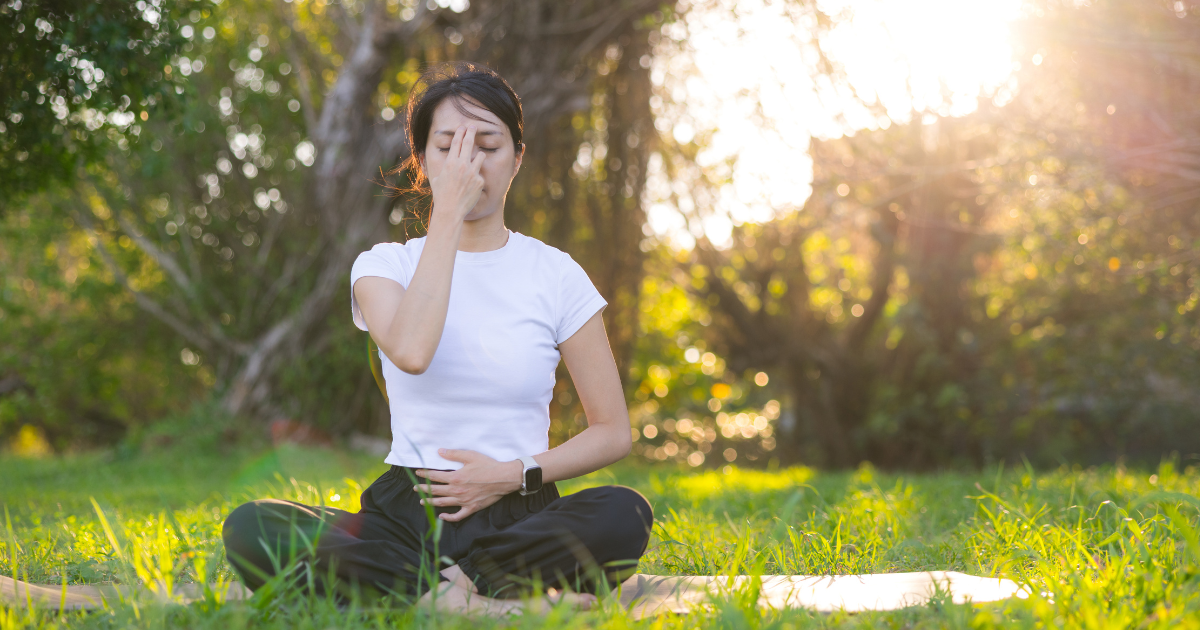
Nadi Shodhana is a traditional pranayama technique involving alternating the flow of breath through each nostril, typically using the fingers to gently close one nostril at a time.
The practice introduces a more structured relationship with the breath and requires students to coordinate their breathing with a sequence of hand movements.
How to introduce it: Demonstrate the hand position first, then guide students through a few rounds at a comfortable pace. Begin without breath retention, allowing students to become familiar with the alternating pattern before introducing more complex variations.
3. Ujjayi Pranayama (Victorious Breath)
Ujjayi is often introduced during vinyasa practice. It involves a gentle narrowing of the glottis, creating a soft, audible quality to the breath.
Rather than simply using the breath to mark the pace of movement, students can explore how maintaining a steady breathing rhythm influences the way they approach their practice.
How to introduce it: Invite students to breathe gently through the nose while creating a subtle whisper-like sound in the throat. The sound should remain soft and comfortable. Encourage students not to strain or force the breath to make it audible.
4. Bhramari Pranayama (Humming Bee Breath)
Bhramari, or humming bee breath, involves producing a gentle humming sound during the exhale. The vibration created by the sound gives students another way to explore their relationship with the breath.
It's a relatively approachable technique because students don't need to coordinate complicated movements or maintain a particular breathing ratio.
How to introduce it: Invite students to take a comfortable inhale through the nose, then produce a soft humming sound as they exhale. Repeat a few times, allowing students to return to their natural breathing whenever they wish.
Teaching pranayama with intention
Not every breathing technique is appropriate for every student or every class. Some practices involve more deliberate control of the breath, while others are better suited to introducing students to breath awareness.
Start with simple techniques, demonstrate before asking students to participate, and give them permission to return to their natural breathing at any point. More advanced practices, particularly those involving forceful breathing or breath retention, require additional knowledge and thoughtful instruction.
The goal isn't to introduce as many techniques as possible. It's to understand the practices well enough to know when, why, and how to teach them.
A practice to bring into your next class
Choose one pranayama technique from this article and spend five minutes exploring it yourself before introducing it to students.
Notice the mechanics of the practice, what requires the most attention, and whether you can maintain a comfortable rhythm without forcing the breath.
Then consider how you would explain the technique to someone experiencing it for the first time. What would you demonstrate? What options would you offer? What might a student need to know before beginning?
The more familiar you become with these practices, the more thoughtfully you can incorporate them into your teaching.