Sound has been part of yoga practice for as long as the tradition has existed: chanting, mantra, the resonance of a singing bowl settling over a room. What has changed recently is that researchers have started measuring what that sound is actually doing to the nervous system while it happens, and the findings are genuinely worth sharing with your students.
Om chanting is one of the better-studied examples. In a controlled comparison, researchers found that Om chanting produced an immediate increase in high-frequency heart rate variability, a marker of parasympathetic, "rest and digest" nervous system activity, alongside a corresponding drop in markers linked to sympathetic, fight-or-flight activation (PMC). In plain terms: the vibration and extended exhale of chanting a single, sustained tone appears to shift the nervous system toward a calmer, more regulated state in real time, measurable on a heart rate monitor, not just felt in the room.
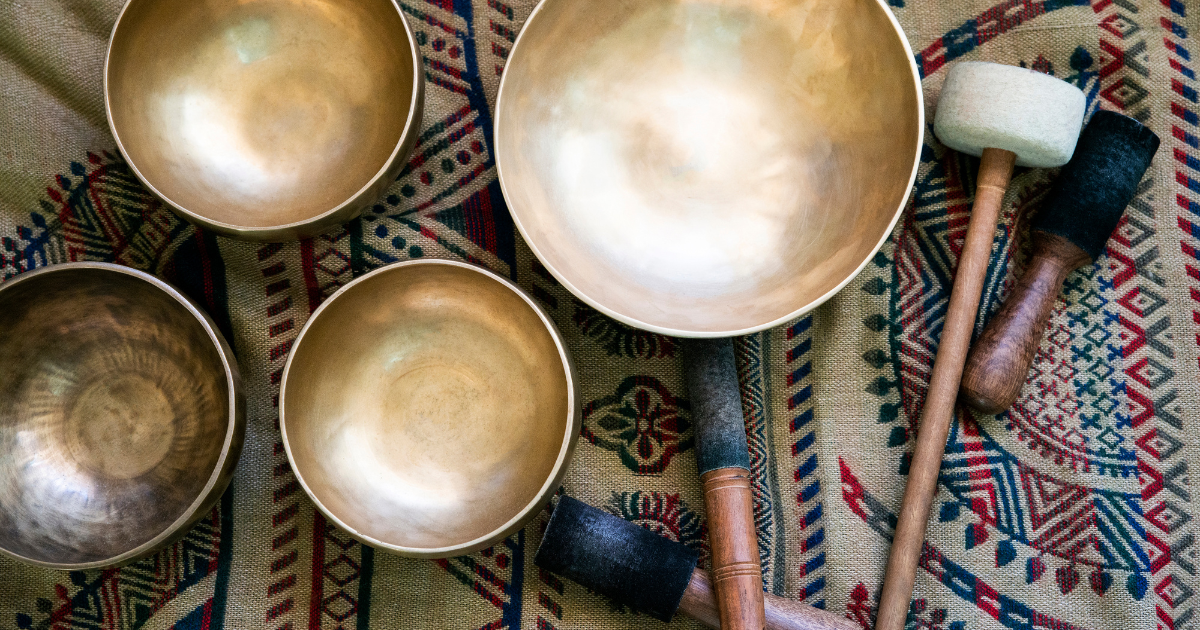
Singing bowls tell a similar story from a different angle. A 2025 study on Tibetan singing bowl practice found that most trials reported significant reductions in anxiety and depressive symptoms, alongside improvements in well-being and quality of life among participants (Lin et al., 2025, MDPI). Broader research on sound and vagal tone points toward a shared mechanism across these different practices: slow, extended, resonant sound production, whether through chanting, humming, or toning, appears to be one of the more accessible ways to stimulate vagal activity and help the body step out of a stress response (Bright Beings Academy).
The evidence is also worth naming clearly where it is still thin. Direct proof that instruments like gongs or singing bowls stimulate the vagus nerve through sound vibration alone, separate from the relaxation, breath changes, and stillness that usually accompany a sound session, is not yet settled (Olli Hess). What is better established is the wider category this sits inside: yoga, alongside other traditional movement and sound-based practices, has repeatedly been shown to influence the autonomic nervous system through slowed breath, sustained vocalization, and focused attention, working together (PMC).
For a yoga therapist, this research offers something genuinely useful and something quietly moving: sound is not a decorative add-on to a session, it is a physiological tool with a measurable effect on the nervous system, and one of the more accessible entry points for a client who finds seated meditation or complex asana out of reach. A single sustained Om, or a few minutes with a singing bowl, can be a real place for someone to begin, even when nothing else feels available to them yet.
Prema Yoga Institute's signature Sound Yoga Therapy course trains teachers to work with these tools with the same care and rigor we apply to any other technique in the curriculum. Learn more about the Sound Yoga Therapy course.